The Parable of the Sower: What Kind of Soil Are You?
Jesus described four types of people through four types of soil. Which one describes your life right now? A practical breakdown of the Parable of the Sower
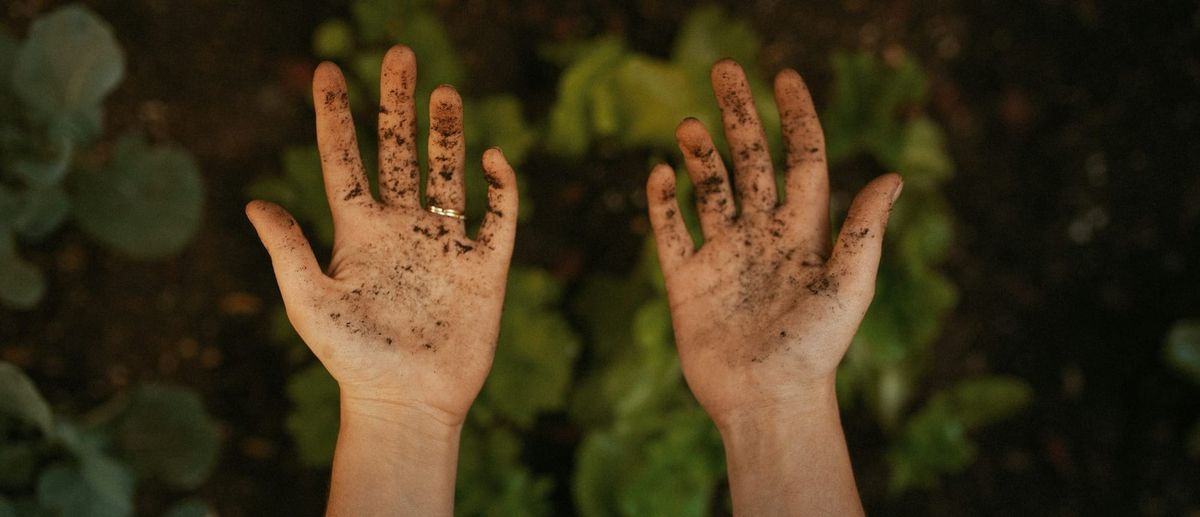
There's a reason Jesus told this parable so early in His public ministry.
Matthew 13. Large crowds pressing in from every side. People who had walked miles to hear Him. And Jesus looks at all of them—the curious, the committed, the casual, and the skeptical—and tells a story about a farmer scattering seed.
On the surface, it sounds agricultural. Beneath the surface, it's a question directed personally at every person in the crowd. And at you.
What kind of soil are you?
The Seed Is the Same—the Soil Is the Variable
The most important detail in this parable is easy to miss: the sower throws the same seed everywhere. The quality of the seed is constant. It is the condition of the ground that determines the outcome.
That tells us something immediate: the Word of God does not change based on the recipient. It is consistently alive, consistently powerful, and consistently true. What changes is the state of the heart it lands in.
"A farmer went out to sow his seed. As he was scattering the seed, some fell along the path... some fell on rocky places... other seed fell among thorns... still other seed fell on good soil." — Matthew 13:3-8
Jesus then does something unusual—He explains the parable in detail. Four soils. Four responses. Four different versions of what happens when the same truth lands in different hearts. It's one of the most personal passages in all of the Gospels.
The Hard Path: The Heart That Won't Receive
The first soil is the path—ground that has been walked on so many times it has become compacted and impenetrable. A seed thrown here lands on the surface, exposed. The birds come quickly and take it away.
Jesus says this represents the person who hears the Word but doesn't understand it, and the enemy snatches it away before it can take root. There's no hostility here — no outright rejection. Just impenetrability.
Hard soil doesn't stay hard on its own. It was softened once and then compacted by traffic — by the repeated weight of life moving across it. Disappointment. Cynicism. Unanswered prayers. Exhaustion. These things compact the soul over time without us noticing.
In Easter and New Beginnings — the post we published just a few days ago — we talked about how the resurrection offers permission to start again. Softening hard soil is part of that invitation.
The Rocky Ground: The Heart That Can't Sustain
The second soil looks better at first. Seed lands, germination happens quickly, and there's real growth. But underneath the shallow layer of topsoil is bedrock. The roots have nowhere to go. In the heat of pressure or persecution, the plant withers.
Jesus says this is the person who receives the Word with joy but has no root — and when trouble comes, they fall away quickly. This isn't a hard-hearted person. This is an enthusiastic person without depth.
It's the person who has a powerful Sunday experience but no prayer life to carry it into Monday. The person who received Christ with genuine emotion but never built the practices that allow faith to develop roots. Enthusiasm without depth is not enough to sustain faith under pressure.
The Thorny Ground: The Heart That Gets Crowded Out
The third soil is perhaps the most sobering — because this seed actually grows. There is real, visible spiritual life. But there are also thorns. Jesus names them specifically: the worries of this life and the deceitfulness of wealth. They grow alongside the good plant, competing for resources, until eventually they choke it out.
This is the person who is genuinely pursuing faith — but also genuinely pursuing a hundred other things. The busyness isn't malicious. But it is crowding. And what gets gradually squeezed is exactly what needed the most space: prayer, reflection, community, generosity.
Thorny ground doesn't produce bad people. It produces distracted ones.
The Good Soil: The Heart That Bears Fruit
The fourth soil is what we're aiming for. Not perfect soil — just receptive, deep, and uncluttered enough for the seed to do what it was always designed to do.
Jesus says this is the person who hears the Word, understands it, and produces a crop — a hundred, sixty or thirty times what was sown. The harvest is disproportionate. What makes soil good? Cultivation. The intentional, sometimes laborious work of removing rocks, pulling thorns, and keeping the ground open and ready. Good soil doesn't stay good passively. It is tended.
The Question Is Personal
Jesus doesn't end this parable with a neat moral or a call to action. He leaves it open. The crowd has to sit with the question. And so do we.
Which soil describes my heart right now — not in theory, not in my best season, but today?
Am I hardened? Have I let disappointment compact what was once soft and receptive? Am I shallow? Is there genuine enthusiasm but no depth? Am I crowded? Is the good thing being strangled by the accumulation of other things I keep saying are temporary?
Or am I cultivated — regularly returning to the Word, staying in community, creating space for the seed to grow?
The good news is that soil can be changed. Hard ground can be broken up. Rocky ground can be cleared. Thorns can be pulled. It takes effort and honesty. But the Sower has not stopped scattering.
He's still throwing the same seed. The question is always: what will it land in? And that question naturally leads into the conversation about community — because good soil rarely stays good in isolation. We'll pick that up in the next post, Community Over Comfort.
ALSO IN THIS SERIES → Easter and New Beginnings (Apr 10) · God's Lavish Love: 1 John 3:1